
I’ve always believed that people don’t fall in love with products. They fall in love with stories.
A hotel room is just a room until it becomes the place where someone celebrated an anniversary they’ll never forget. A restaurant is just a restaurant until it becomes part of someone’s proposal, birthday, or family tradition. A cigar is simply tobacco until you understand the hands that rolled it, the land it came from, and the person whose story inspired it. That’s when a product becomes something more.
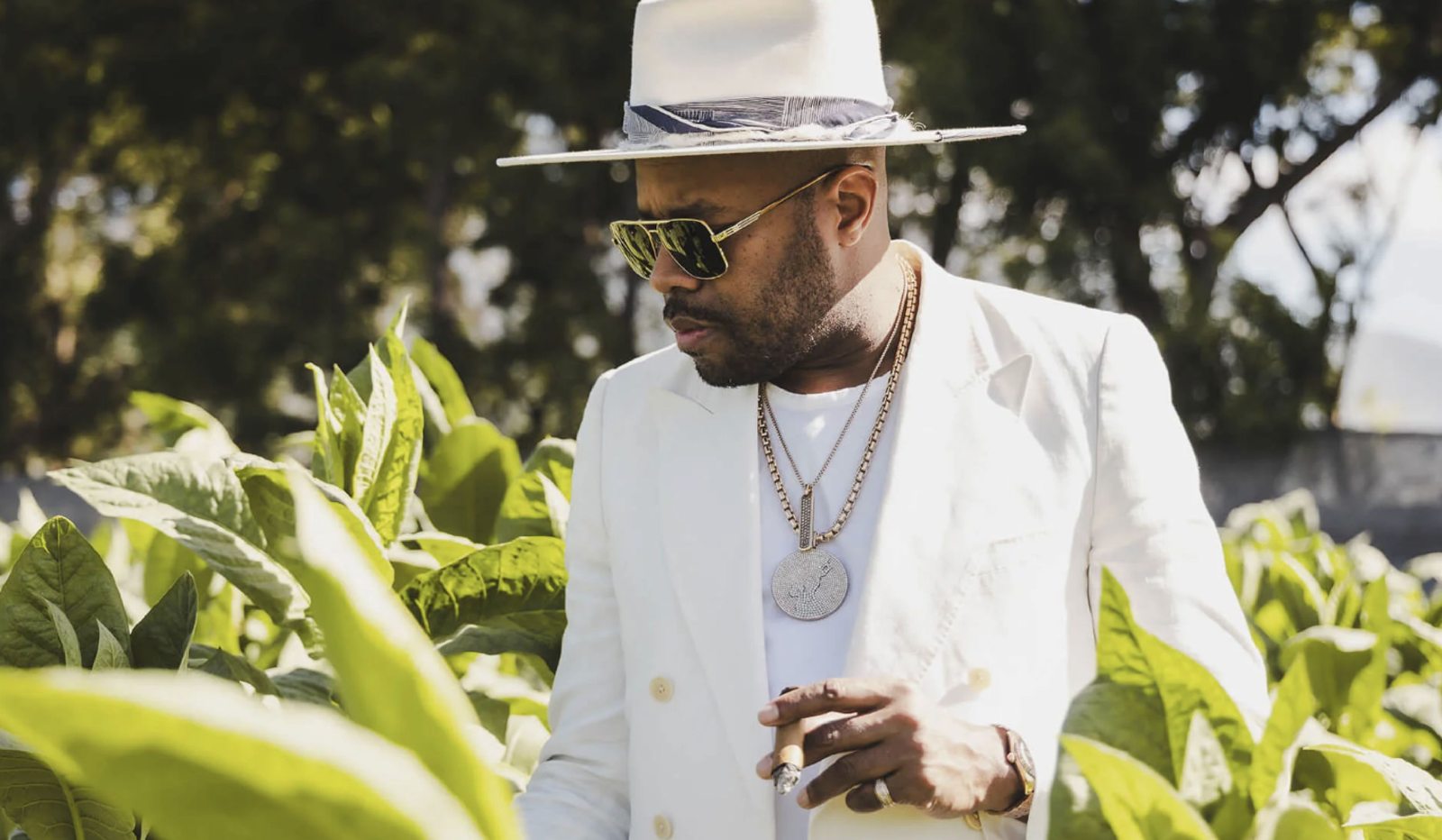
Several years ago, I had the opportunity to creatively direct a campaign for AVO Cigars featuring legendary DJ, photographer, and cultural icon D-Nice. On paper, it sounded simple enough: introduce a limited-edition cigar created in collaboration with one of the most influential figures in music and culture. But from the very beginning, I knew the campaign couldn’t be about the cigar alone. The real story was how it came to exist. Rather than filming a traditional commercial, we followed D-Nice to the Dominican Republic, where he met the master blenders, growers, and artisans responsible for bringing the cigar to life. We documented conversations instead of scripts. Moments instead of performances. The goal wasn’t to convince people to buy a cigar—it was to invite them into the journey behind it. Something interesting happened during that process. The cigar slowly stopped becoming the hero. The people became the hero. You began to understand why D-Nice connected with the brand. You saw the craftsmanship, the pride, the patience, and the countless hands involved before a single cigar reached its box. By the end of the film, the cigar represented something much larger than a product. It represented shared values, artistry, and respect for craft. That’s exactly what great hospitality does. It gives people a story they want to become part of. The hotels we remember aren’t simply beautiful buildings. They’re destinations with history, personality, and a point of view. The restaurants we recommend aren’t always the ones with the most elaborate menus. They’re the places where every detail, from the welcome to the final course, feels intentional.
Even the brands we admire most rarely lead with features or amenities. They lead with meaning. Storytelling has a unique ability to transform ordinary moments into memorable ones because it gives people context. It answers a question every guest is asking, whether they realize it or not: Why does this place matter? When a hotel shares the history of its neighborhood, guests see more than architecture. When a chef introduces the local farmer behind a signature ingredient, dinner becomes more personal. When a resort embraces the traditions, culture, and craftsmanship of its destination, every experience feels more authentic. Stories create emotional value long before luxury ever enters the conversation. That’s why I believe storytelling is one of the most powerful tools in hospitality. Not because it helps us sell experiences. Because it helps people connect with them. I don’t see storytelling as something that happens after the brand is finished. It influences everything from strategy and naming to photography, film, interiors, websites, and guest experiences.
The strongest brands don’t simply communicate what they offer. They invite people into a story worth remembering. Because long after people forget the room number, the menu, or the product itself… They’ll remember how the story made them feel..