
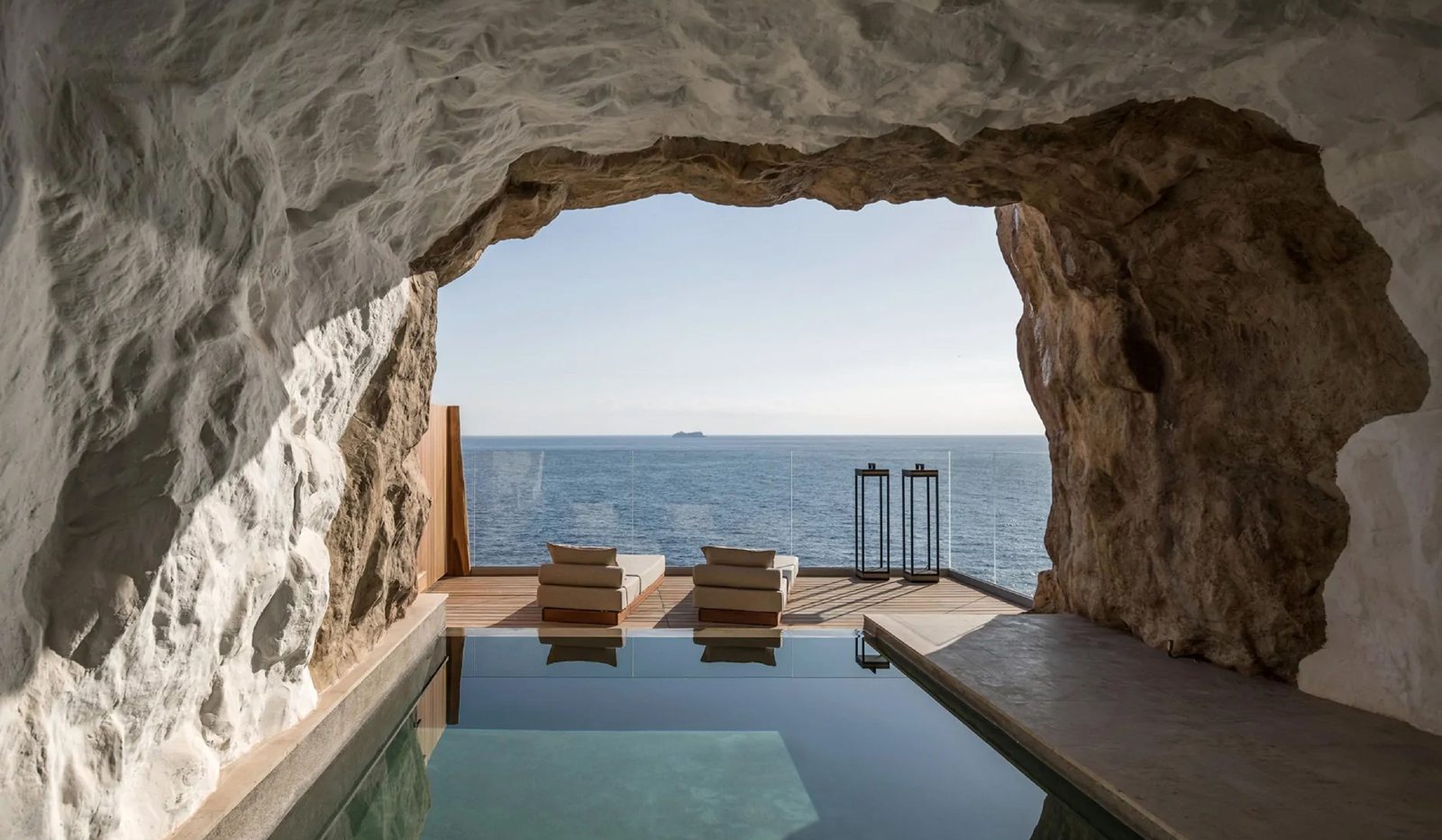
Photo Credit Acro Wellness Suites
The guest experience doesn’t begin at check-in. It begins with the very first impression, often weeks or even months before a reservation is made.
A photograph on Instagram. A recommendation from a friend. A beautifully crafted website. The tone of the copy. The pace of a promotional film. Even the way a confirmation email is written. Every interaction shapes an expectation long before a room key is ever handed over.
The world’s most memorable hospitality brands understand this. They don’t market rooms, they build anticipation. By the time guests arrive, the story has already begun.
The Brand Is the First Destination
Image Credit: Aman Amangiri
Some hotels sell luxury. Others sell escape. The most successful brands sell a feeling.
Look at Aman. Every element of the brand communicates calm, privacy, and restraint. Its visual identity is understated, its photography is quiet and intentional, and its digital experience never competes for attention. The result is a brand that feels exclusive without ever saying it is. Before guests arrive, they already understand the promise: this is a place to disconnect from the noise and reconnect with themselves. That emotional expectation becomes part of the experience long before arrival.
Every Touchpoint Should Tell the Same Story
Consistency is what transforms a hotel into a brand. From the website and booking journey to signage, uniforms, menus, architecture, lighting, and photography, every detail should reinforce the same narrative.
Faena is a masterclass in this approach. It doesn’t simply operate hotels—it creates immersive worlds. Art, performance, music, interiors, fashion, and dining all contribute to a singular identity that guests instantly recognize. The experience feels theatrical without becoming artificial because every decision supports the same creative vision.
Guests aren’t just booking accommodation. They’re stepping into a world that has already been carefully composed.
Photo Credit Pnoé Breathing Life
Sense of Place Is More Powerful Than Luxury Alone
The most memorable destinations don’t feel like they could exist anywhere. They belong exactly where they are. Projects like JW Marriott Crete Resort & Spa embrace the culture, landscape, materials, and rhythms of Crete rather than applying a generic luxury formula. The architecture, natural palette, local craftsmanship, and connection to the surrounding environment create an experience that feels authentic to its setting.
The same philosophy is evident at Minos Beach Art Hotel, where contemporary art, understated architecture, and the natural beauty of the coastline coexist without competing for attention. The destination becomes inseparable from the identity of the brand.
Luxury becomes more meaningful when it’s rooted in place.
Photo Credit Phäea Cretan Malia
Designing Emotion, Not Just Spaces
Architecture creates environments. Branding creates meaning. The strongest hospitality experiences happen when both disciplines work together from the beginning rather than being developed independently.
This is one of the reasons destinations like Tella Thera have generated so much excitement. Rather than presenting architecture in isolation, the project communicates a complete lifestyle—one that blends design, landscape, wellness, and community into a cohesive narrative. Long before opening, visitors already have an emotional understanding of what the destination represents.
That’s the power of storytelling. People begin imagining themselves there.
The Journey Begins Before Arrival
Hospitality is one of the few industries where anticipation is part of the product.
Every interaction before arrival should reinforce the promise guests are about to experience. A website should inspire confidence. Photography should evoke emotion rather than simply document spaces. Words should create curiosity. Motion should build atmosphere. The booking experience should feel effortless.
When those moments work together, arrival feels familiar rather than transactional. Guests don’t feel like they’re discovering the brand, they feel like they’re stepping into a story they’ve already begun.
Photo Credit Domes Zeen Chania, a Luxury Collection Resort
What This Means for Hospitality Brands
Creating memorable hospitality experiences isn’t about adding more amenities or following design trends.
It’s about building alignment. When brand strategy, architecture, interiors, digital experiences, photography, and guest communications all speak the same language, the result is something far more valuable than recognition. It creates anticipation.
And anticipation is often what transforms a hotel into a destination people remember, recommend, and return to.
At AM-76, we see branding as the invisible thread that connects every guest touchpoint. Our role isn’t simply to design identities, it’s to help create experiences that begin long before arrival and continue long after checkout.
Because the most successful hotels don’t wait until guests check in to tell their story.